Free Audio Tools That Take the Stress Out of Everyday Editing
Working with audio rarely goes exactly as planned. A recording can contain an awkward pause, a voice memo can be much longer than necessary, or an audio clip can need a few quick changes before it fits into a video or presentation. None of these problems is particularly difficult, but they can become surprisingly annoying when the right software is not available. That is why simple online solutions such as audio conversion tools have become useful for people who want to handle everyday audio tasks without turning them into complicated technical projects. A few straightforward tools can often make the difference between wrestling with a file and finishing the job in minutes.
The biggest change in modern audio editing is accessibility. Not everyone needs a professional recording studio filled with advanced software and complicated controls. Most everyday users simply want to make a recording shorter, prepare a file for another project, or make sure their audio works where it is needed. Free audio tools have responded to that demand by focusing on uncomplicated interfaces and practical features. Students can clean up material for presentations, creators can prepare clips for social media, and remote workers can adjust recordings without having to spend hours learning professional editing programs.
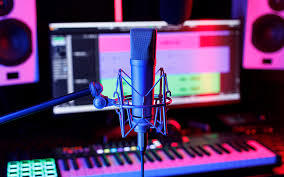
Convenience becomes particularly noticeable when audio is being used across several types of content. A short sound clip might begin as part of a voice recording and later become an element in a video, slideshow, podcast, or online course. Each situation can call for a slightly different version of the original file. Rather than recreating the recording or opening an unnecessarily complicated application, users can make quick adjustments and continue working. This makes free online audio tools less about technical experimentation and more about removing small obstacles from the creative process.
Speed is another reason these platforms fit naturally into everyday workflows. Audio problems often appear at inconvenient moments, such as immediately before a presentation or while preparing content for publication. Spending time installing software, creating accounts, or searching through unfamiliar menus can make a minor task feel much bigger than it actually is. Browser-based tools can provide a more direct alternative, allowing users to upload a file, make the necessary adjustment, and move forward. For people who regularly handle multiple recordings, that reduced friction can add up to a meaningful amount of saved time.
What makes these tools especially useful is that they do not require every audio task to become a major project. Sometimes the goal is simply to get rid of an unnecessary section, prepare a clip for another piece of content, or make a recording easier to use. Free audio editing and conversion platforms give users a practical way to deal with those moments without unnecessary complexity. As more people create podcasts, videos, online lessons, presentations, and other digital content, straightforward audio tools are becoming part of the everyday creative toolkit. Their real advantage is not flashy technology, but the ability to make small audio problems disappear before they interrupt the rest of the work.